The old mansion of my great-grandfather in the Qing Dynasty 我老家曾外祖父的清代古宅
取得連結
Facebook
X
Pinterest
以電子郵件傳送
其他應用程式
The old mansion
of my great-grandfather in the Qing Dynasty
我老家曾外祖父的清代古宅
There is no China after the Ming Dynasty.
崖山之後無中國,明亡之後無華夏。
徽派古建築是華夏民族的最典型建築模式,明代至清代時期中國江南的徽派建築實際模仿中國北宋时期的建筑。The ancient architecture of the AnHui is the most typical architectural model of the China Traditional nation. China from the Ming Dynasty to the Qing Dynasty actually imitated Ancient China
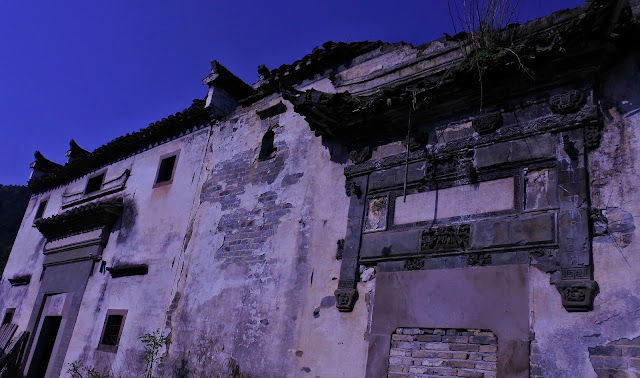
The old mansion of my great-grandfather in the Qing Dynasty,which is next door to the ancestral hall, has a history of more than two hundred years.in front of the building is a row of four bungalow-style kitchens, Looking back this time, the wooden structure inside was decaying, causing many places to collapse.
我老家曾外祖父的清代古宅,有兩百多年的歷史,四合院樣式,樓前面是一排四間平房式樣的廚房,這次回去看,裡面的木結構許多腐爛,導致許多地方倒塌,全部需要重新修建了。
The
house faces south,divided into two part: East-Part and West-Part. The entrance
on the right is the East-Part. There are two screen door entrances
behind theEast-Part gate. For East-Part,There is a courtyard in the middle and the lobby at the back. The West-Part gate has only one door and no courtyard.But there is also a lobby in the middle of the rear.There is a door on the first floor and the second floor of the East-Part and West-Part that can communicate with each other.
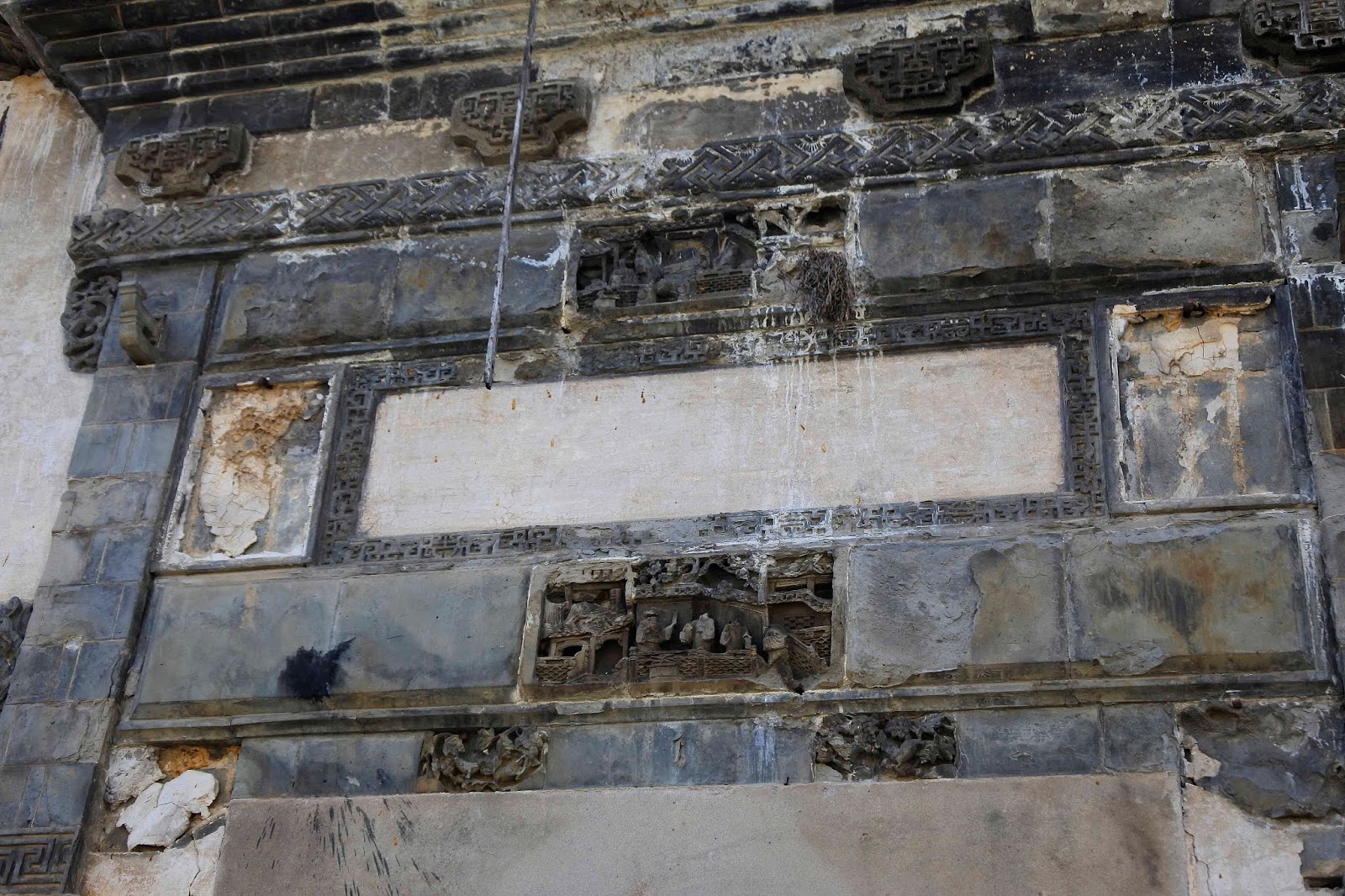
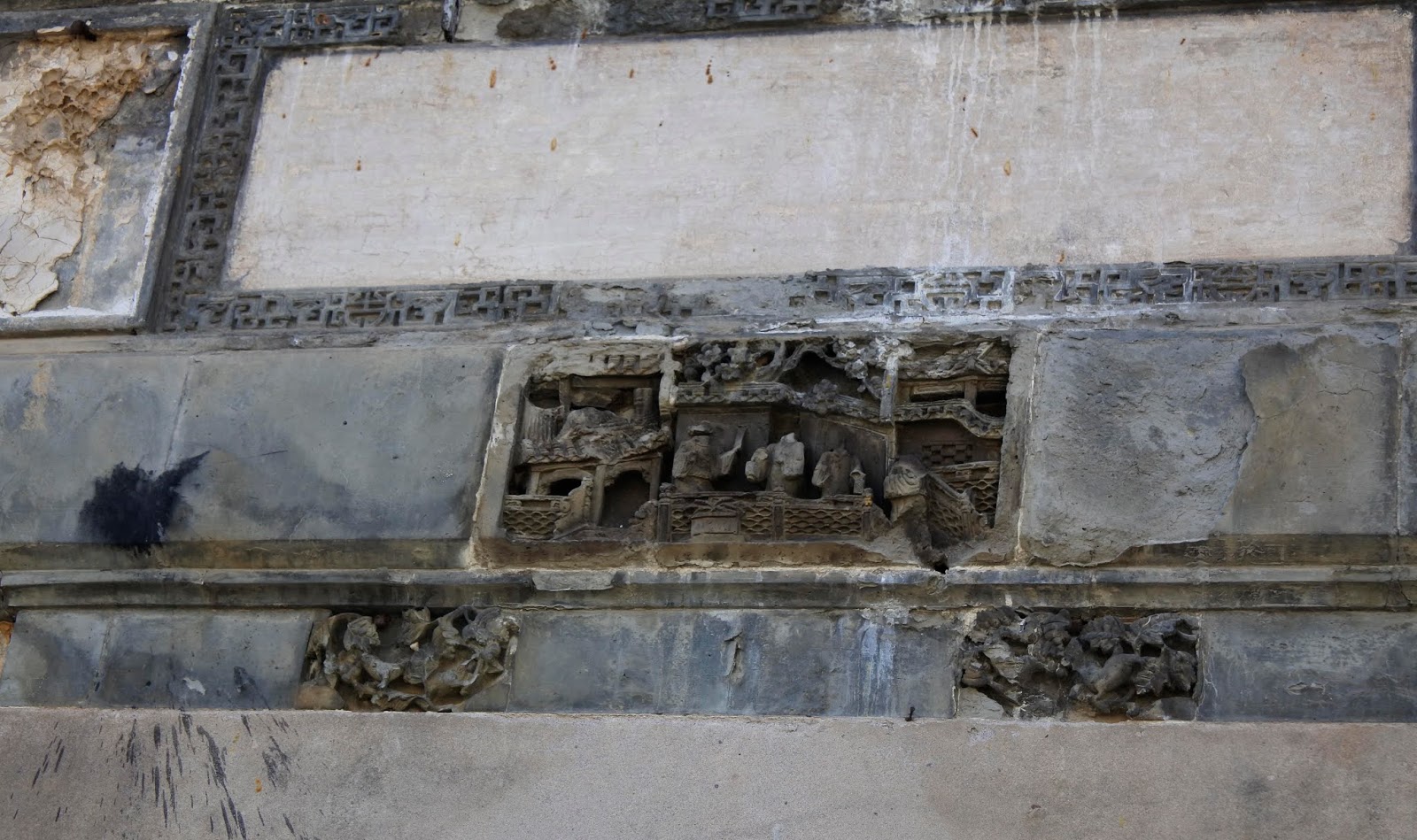
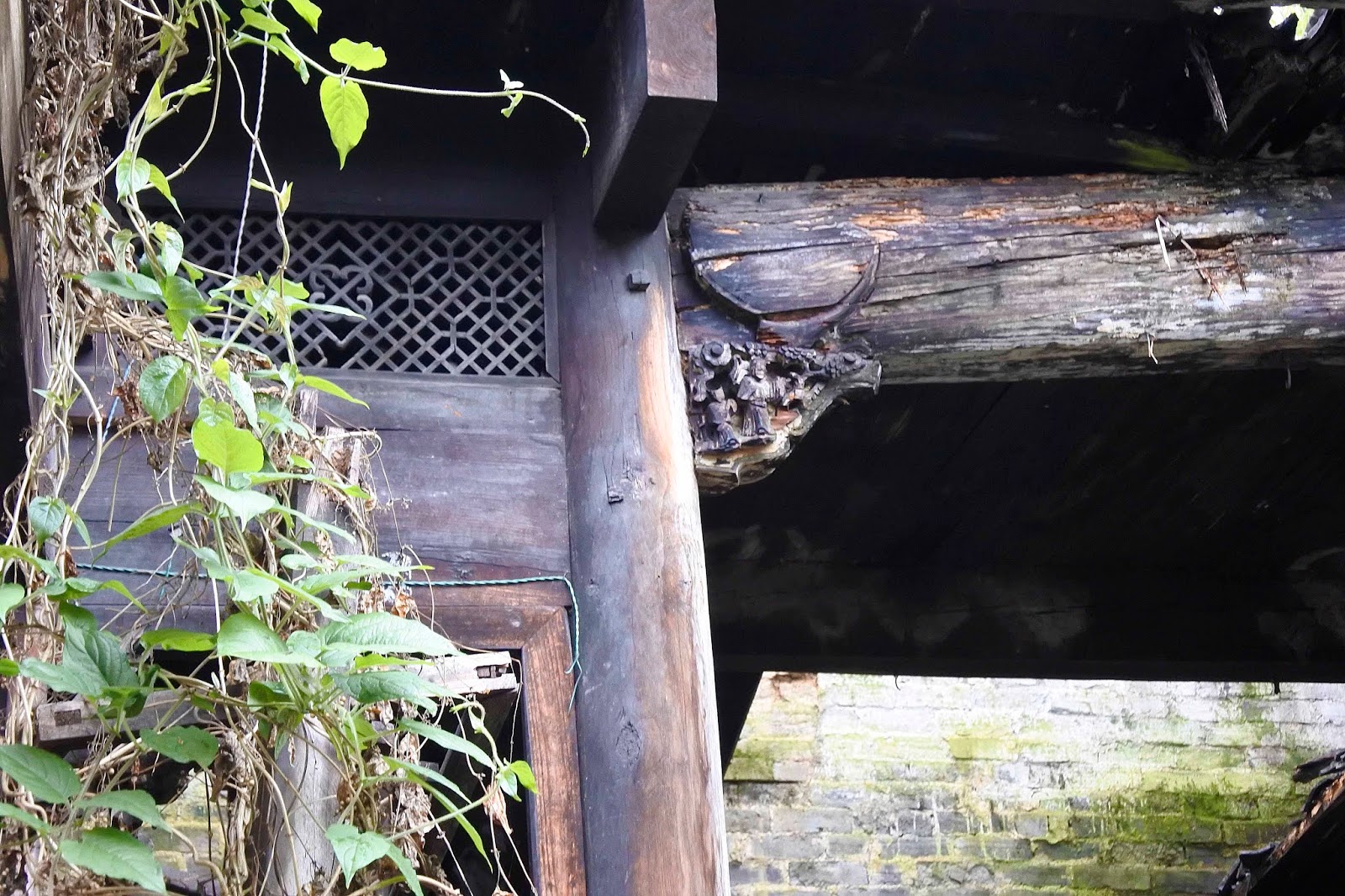
During the Cultural Revolution, a group of shameless red guard thieves of CCP broke into the ancient house and “Beheaded” all the stone carvings on the eaves. There was a plaque here, which was written by Qian Long ’s chief military minister Cao Zhenyong(Cáo Zhènyōng; 1755–1835) . Plaque stolen, leave this blank space now.
古宅的後面拍攝,右邊就是武英殿大學士許國建立的方氏宗祠 Photographed from the back of the old house, on the right is the Fang Family Ancestral Hall established by XuGuo
These two ancient buildings of the Ming and Qing dynasties are directly related to the two prime ministers and the highest commanders of the National Army in the strongest periods of the Ming and Qing dynasties, namely the Wanli period of the Ming Dynasty and the Qianlong period of the Qing Dynasty!
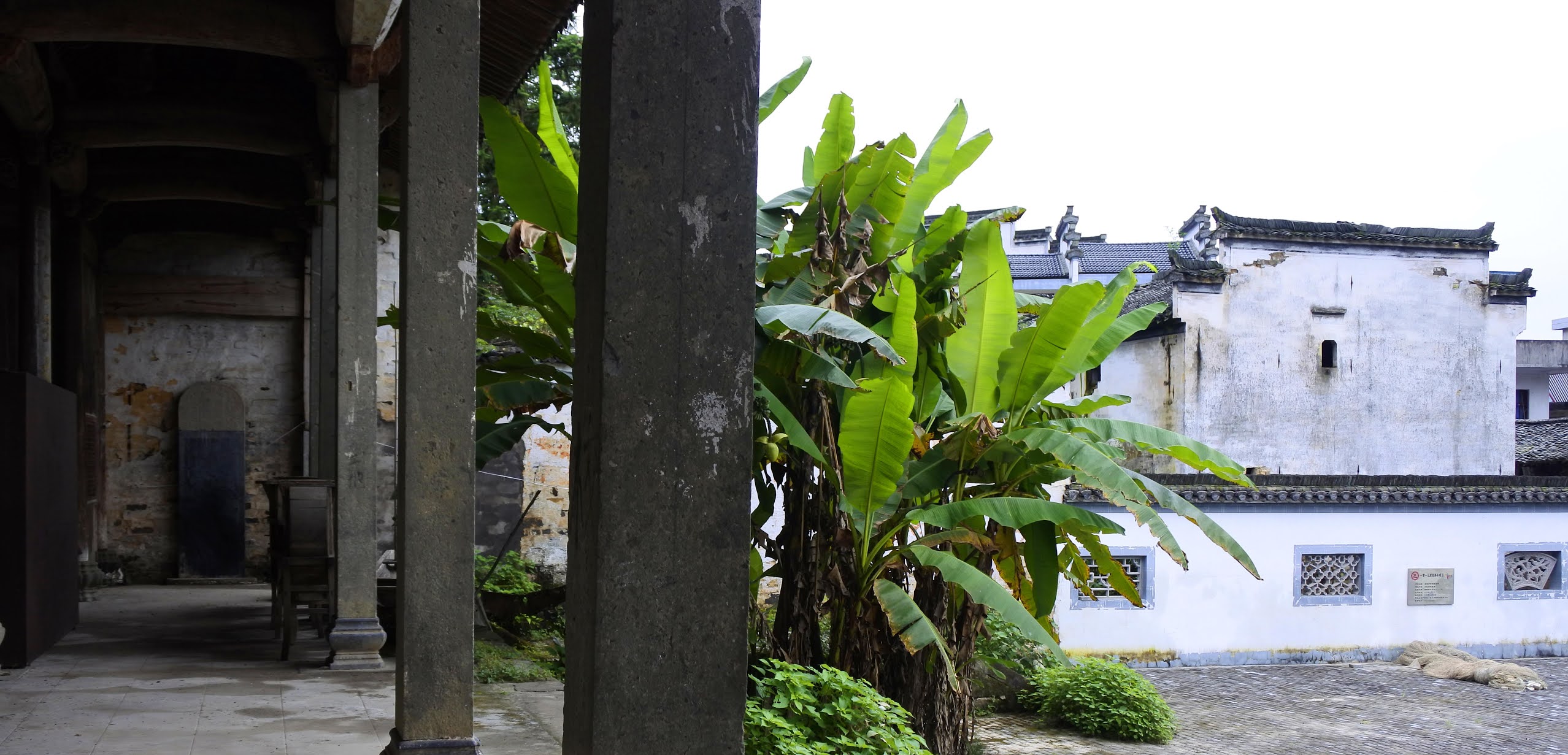
my great-grandfather‘s #AncientMansion,facing #Fang's #familyAncestralHalll. The two buildings are a whole. This ancient house bought by the chief Military Minister #CaoZhenyong (1755-1835)of Emperor #Qianlong at the beginning. The structure of this building hides mystery. The two parts of the upper and lower floors are interconnected, and there is a secret passage in the backyard. , You can directly enter the ancestral hall and reach the stone stele of the ancestral hall. Upstairs in the ancient house, you can see and hear any movement in the ancestral hall! Every time it rains, I can clearly hear the sound of rain hitting bananas in the old house. In the middle of these two ancient buildings in the Ming and Qing Dynasties is a stone stele erected in the Wanli period of the Ming Dynasty. This is the most important historical relic and token of the entire family. I grew up here from my childhood to my childhood, so this place is very important to me!
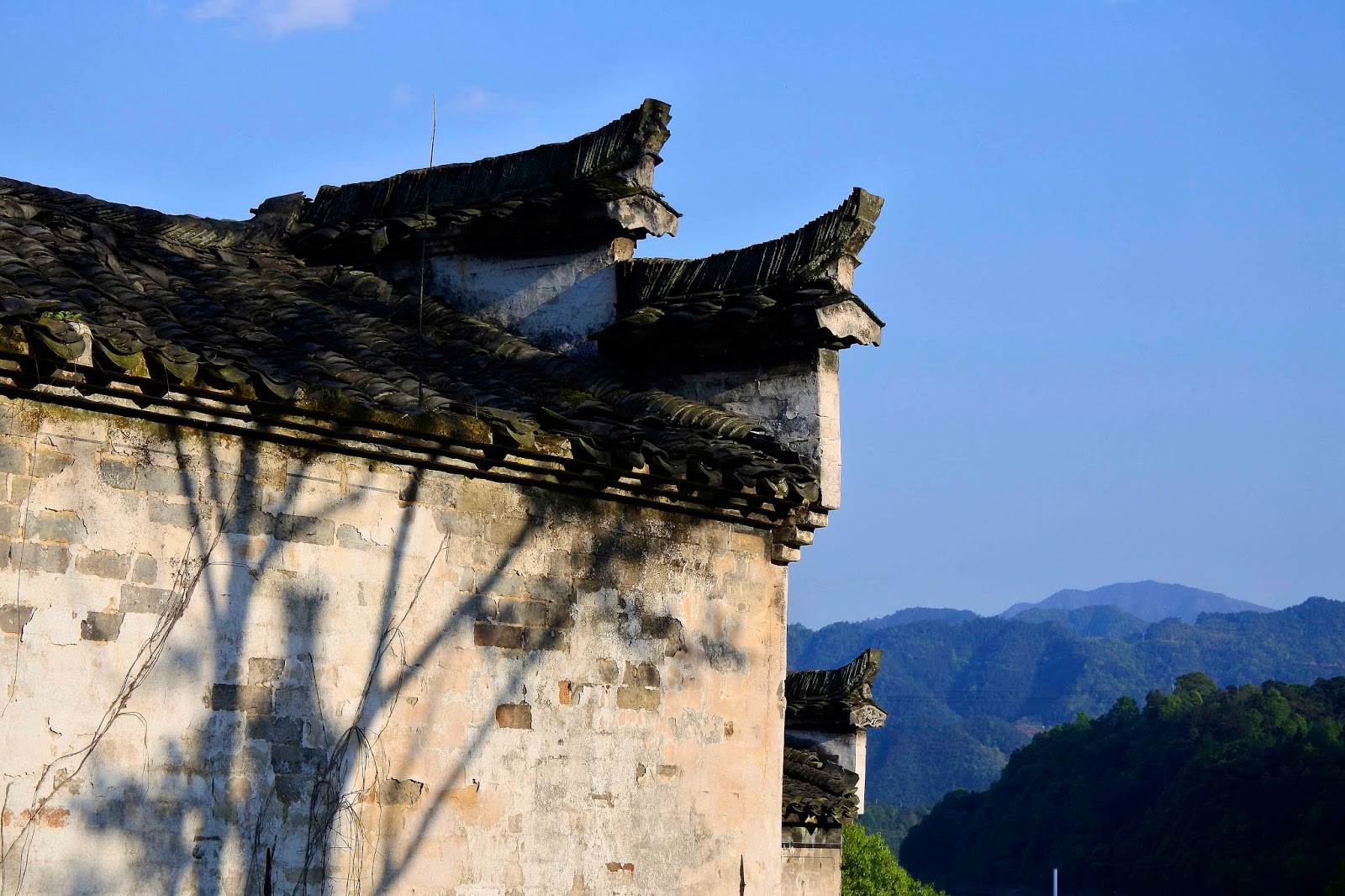
古宅東翼後面的屋簷角,遠處的屋簷是西翼的 The eaves corner behind the east wing of the ancient house, and the eaves in the distance are west wing
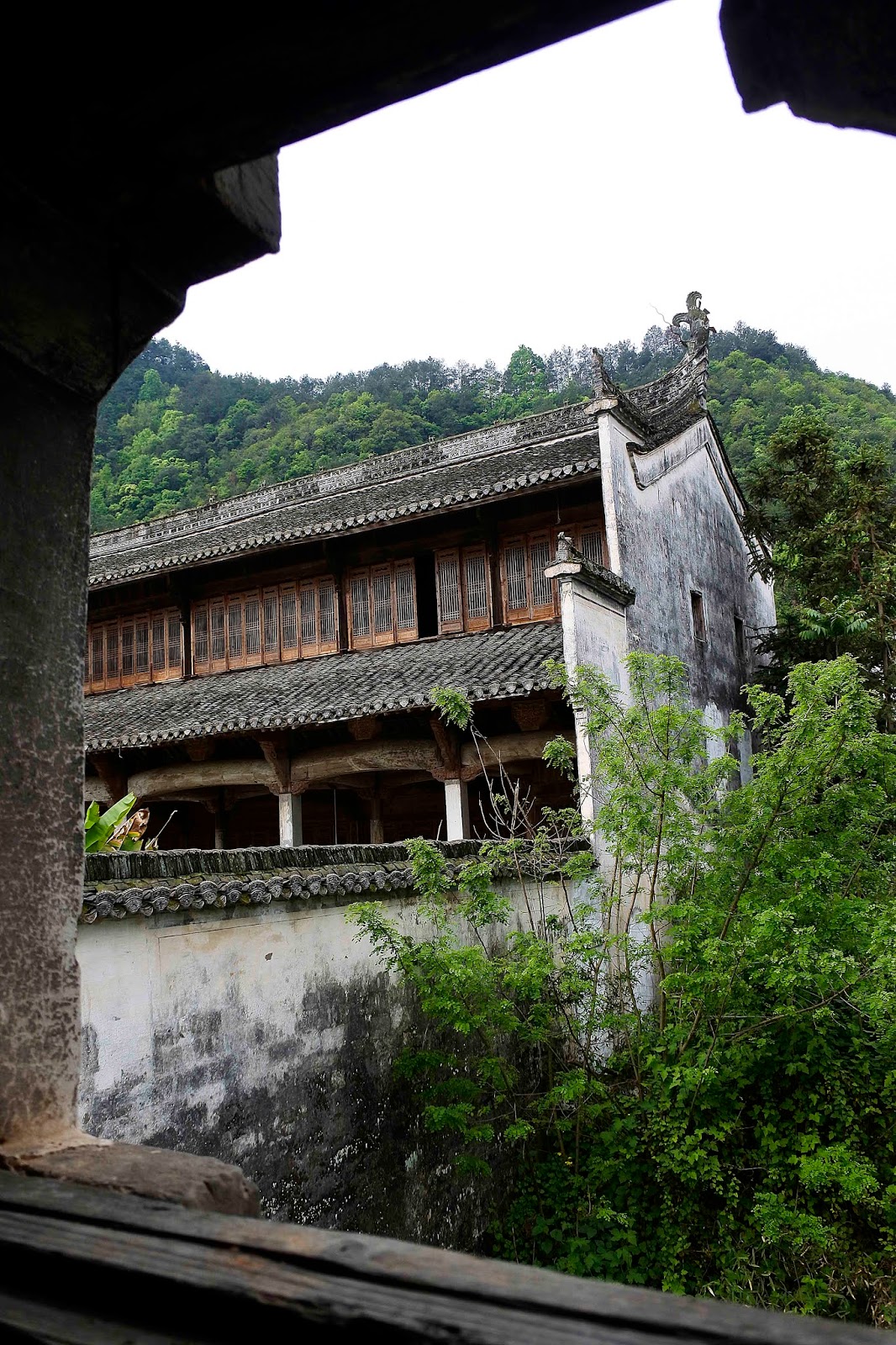
站在古宅西翼二樓的樓梯口邊的窗口處拍攝的宗祠。Ancestral hall photographed at the window next to the stairs at the second floor of the West-Part of the ancient house.
The East-Part
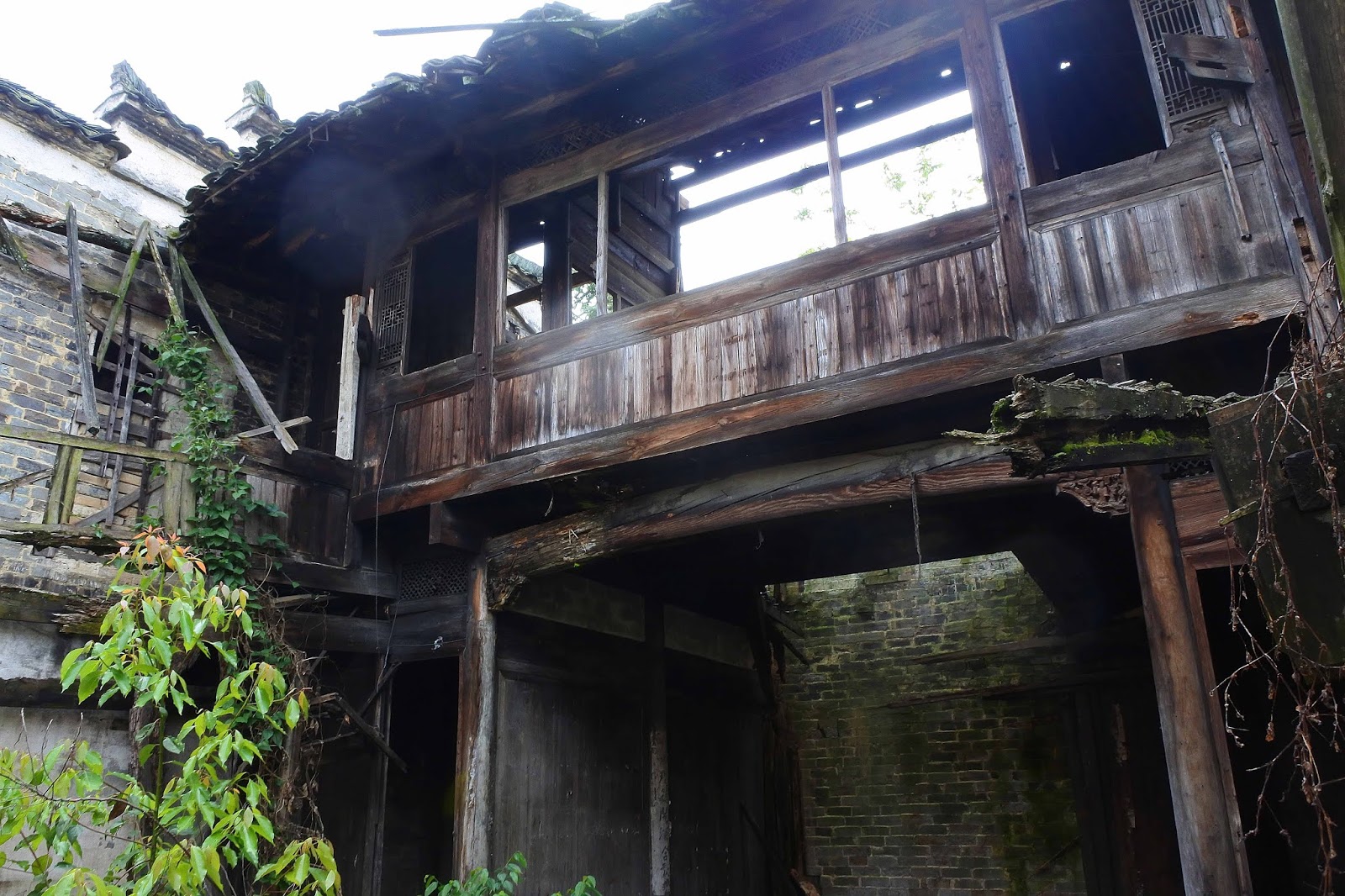
東翼的大堂及天井處
站在東翼天井處往大堂拍攝
站在東翼的天井往大堂處拍攝
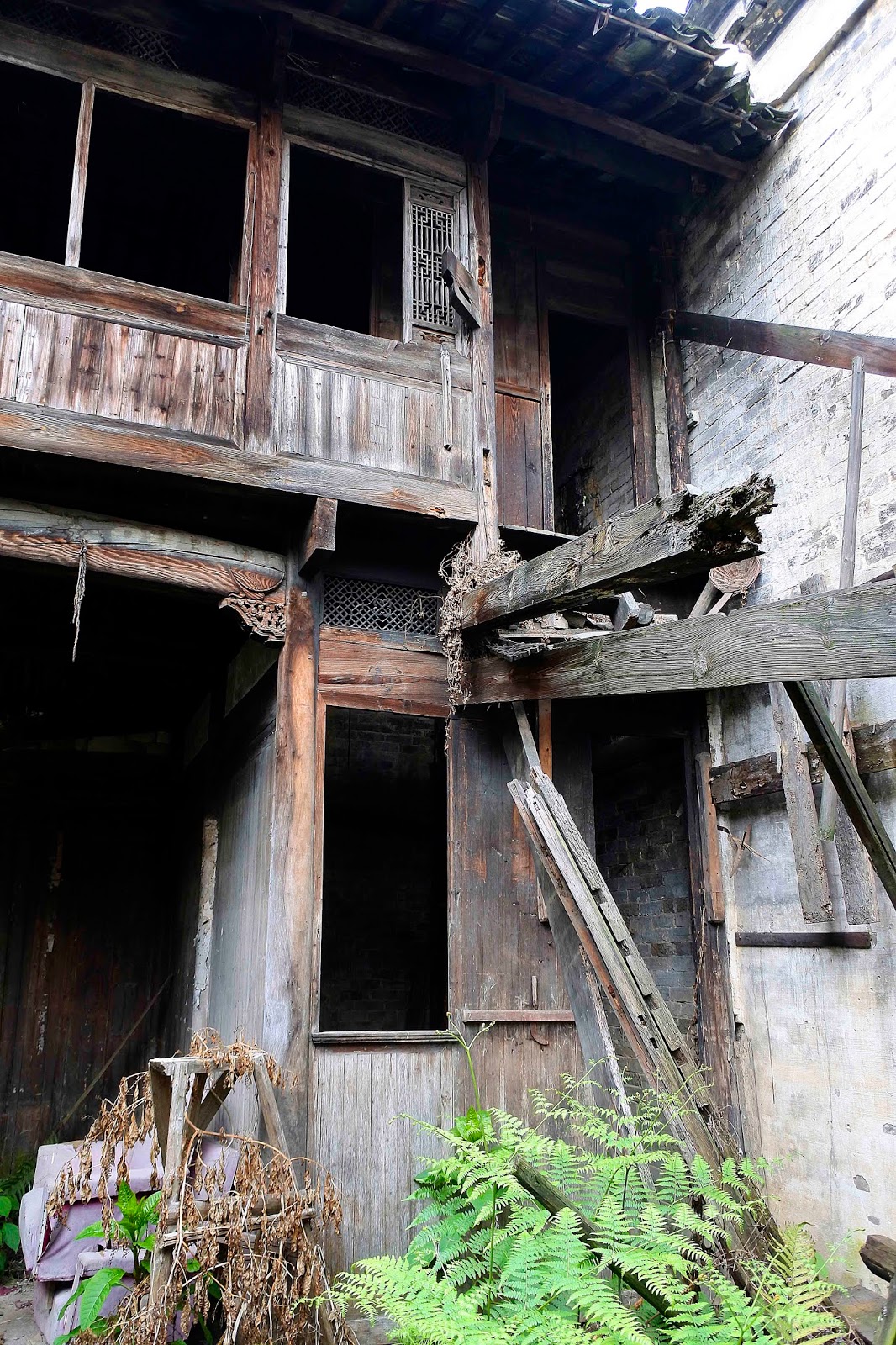
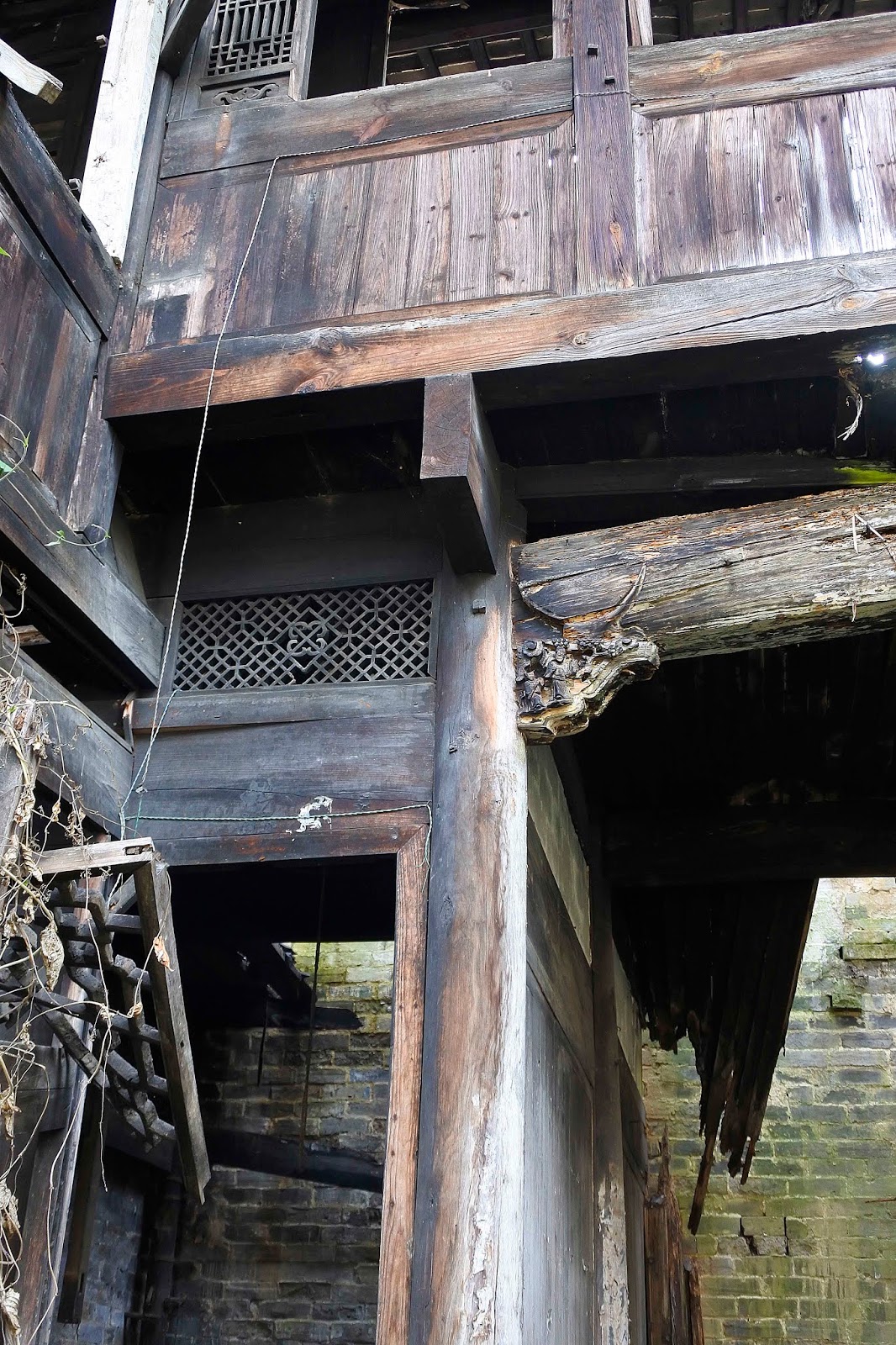
站在東翼的天井往上拍攝,上二樓的樓梯就在那片雕花木窗櫺後面
站在東翼的大堂內往大門處拍攝的,二進門倒塌在牆邊,大門二道門上的二樓已經全部塌下來了。一樓最右邊那道門是通往西翼的。The door on the right on the first floor leads to the west wing
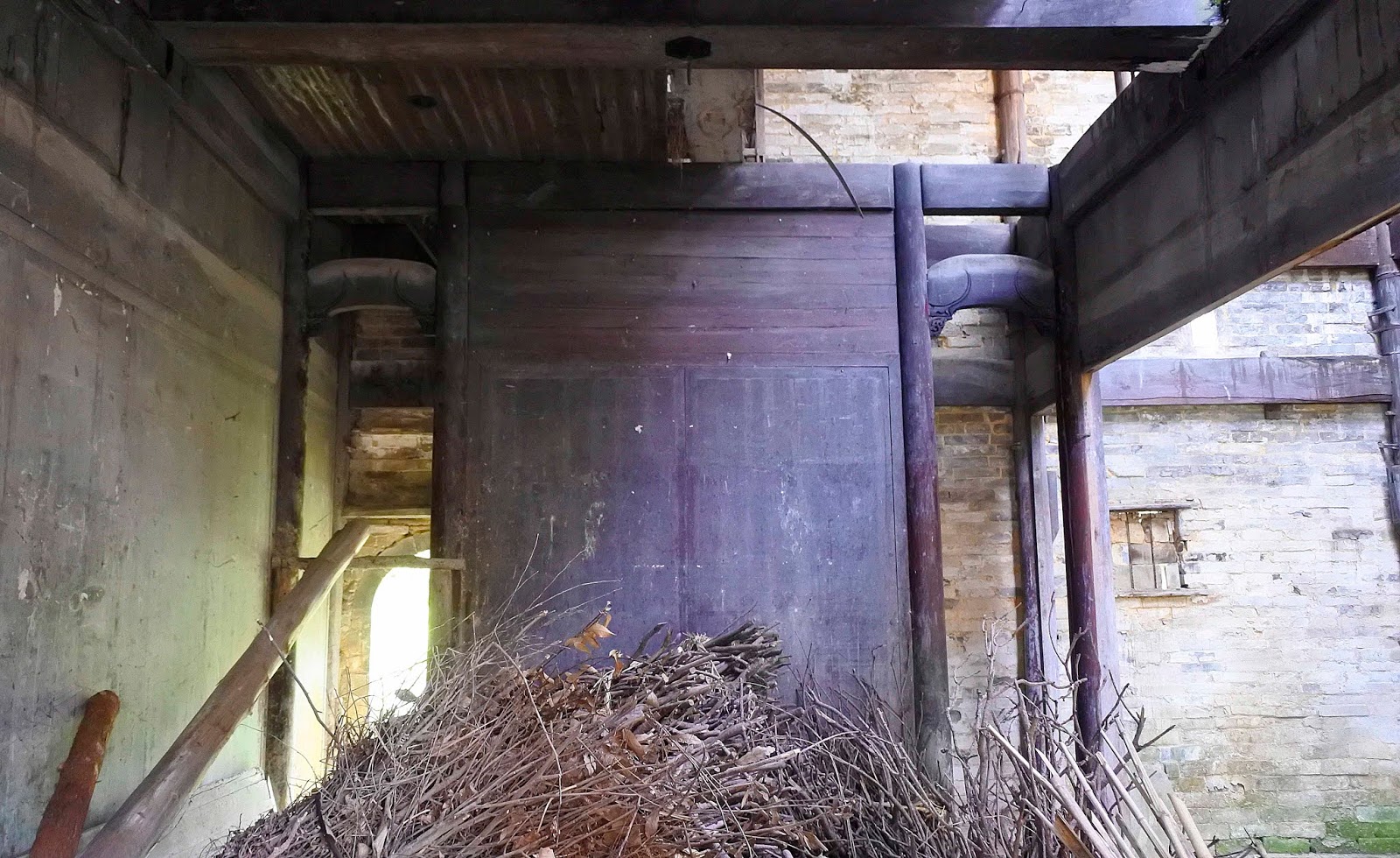
東翼的大堂局部
東翼的大堂局部
The West-Part
西翼的大堂,左邊門通往屋後的院子,右邊門後是上二樓的木樓梯 The lobby of the west wing, the left door leads to the courtyard behind the house, and the right door is the wooden staircase to the second floor
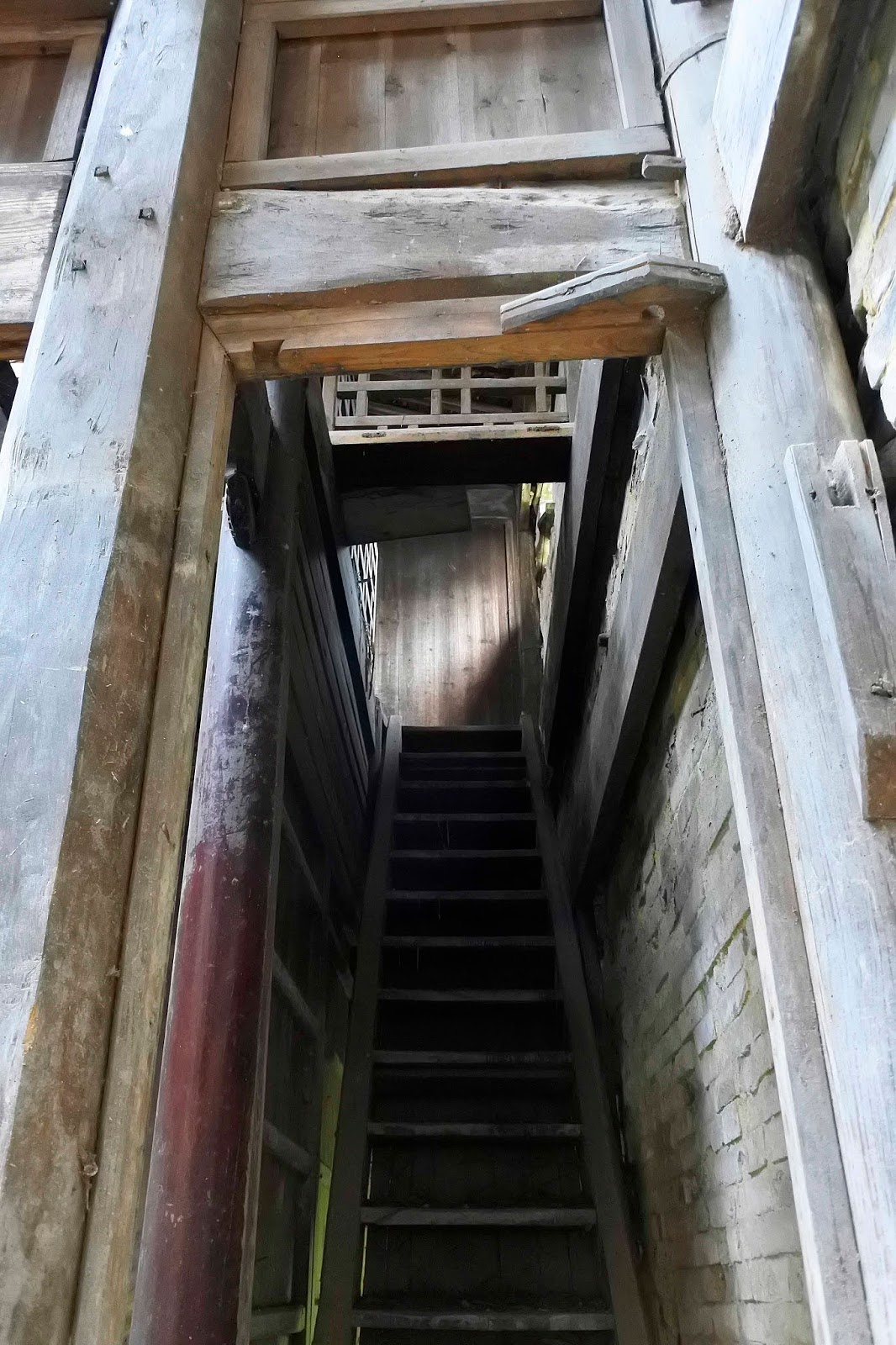
西翼大堂後的樓梯
站在西翼大堂前往上拍攝
西翼大堂後的樓梯
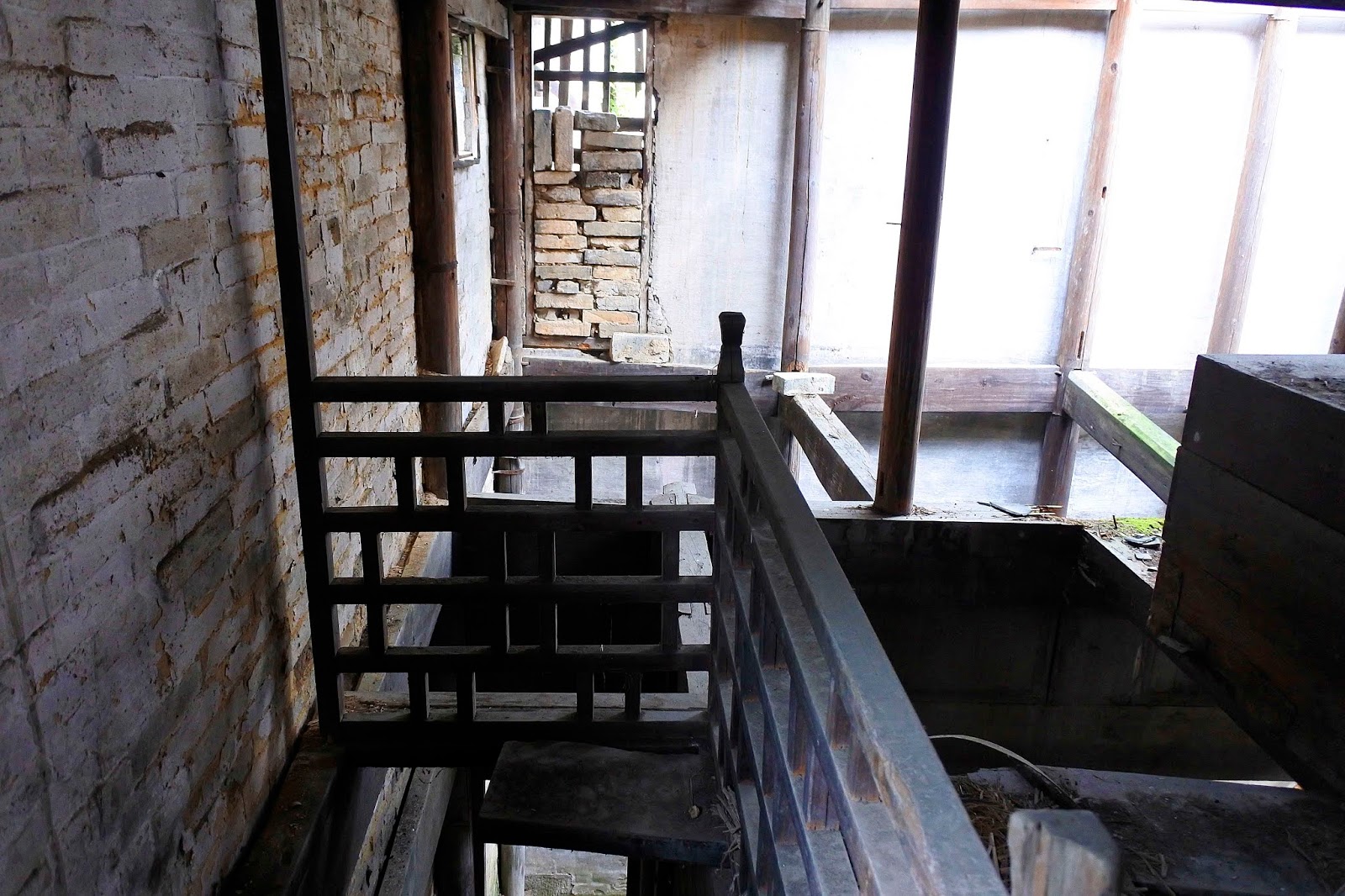
西翼大堂後的樓梯上到二樓樓梯口的場景,最後面那扇被磚頭封起來的門,是通往東翼的 The scene from the staircase behind the west wing lobby to the staircase on the second floor, the brick door at the end leads to the east wing
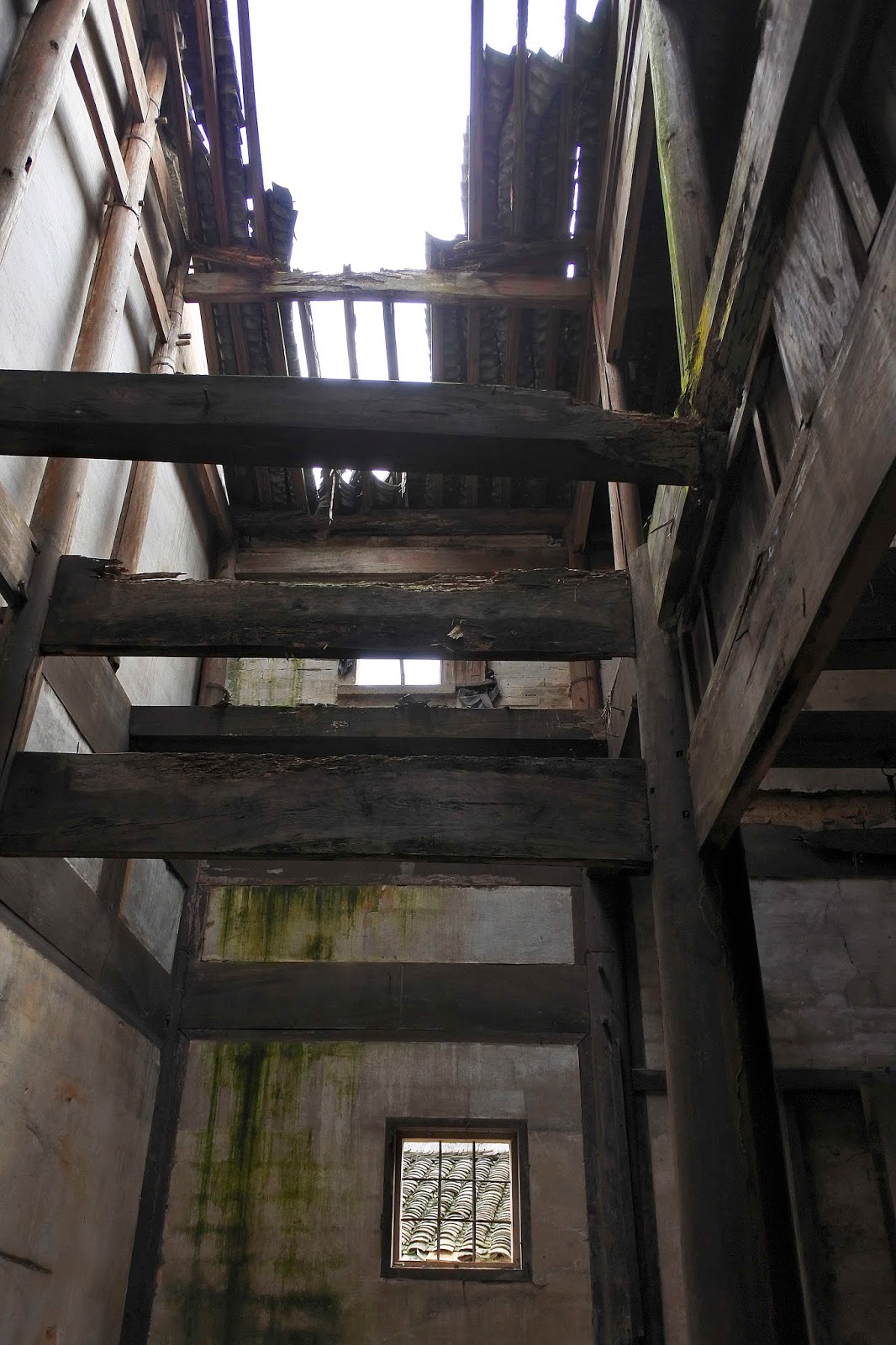
西翼往上拍攝
站在西翼的牆邊拍攝,及隔壁的宗祠 Stand by the wall of the west wing, next the wall is the Ancestral Hall of Fang Family.

 這兩座建築是一個整體。這兩棟明清時期的古建築,與明、清兩朝代最強盛時期,即明代萬曆時期、清代乾隆時期的兩位國家宰相兼國家軍隊最高統帥,有直接關係!
 每次下雨時候,我在老房子裡面,可以清清楚楚聽見雨打芭蕉的聲音。








留言
張貼留言